
Concrete Decks 101: What Owners Should Expect from Engineers and Builders About Long-Term Performance
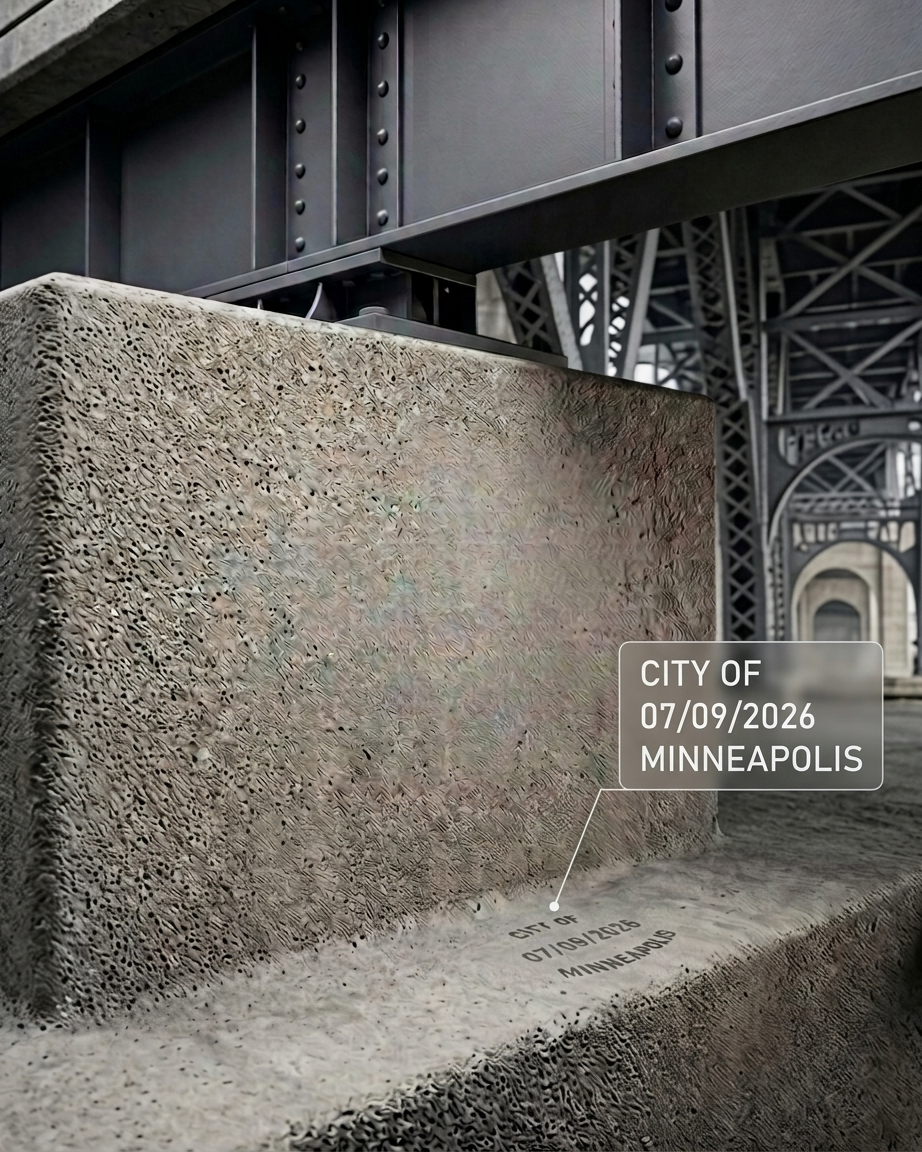
Concrete decks support parking garages, commercial buildings, bridges, loading areas, and many other structures that we use every day. Long‑term performance in concrete decks refers to how well a deck continues to function structurally, aesthetically, and safely over many years despite load, weather, moisture, chemical exposure, and natural aging.
Long-term performance depends on more than the concrete mix alone. Design decisions, installation quality, environmental conditions, and permanent identification all play important roles.
What should owners know about “aging quality”: how it stays strong, safe, and good‑looking as time passes? Read this quick, concrete deck 101 on how a concrete deck behaves as it gets older.
What Factors Determine How Well a Concrete Deck Performs Over Time?
- How long the deck stays strong
A good concrete deck should feel sturdy year after year. Long‑term performance means it doesn’t sag, shift, or develop structural issues as the ground moves or temperatures change.
- How well it resists cracking
All concrete gets tiny hairline cracks; that’s normal. But long‑term performance is about preventing big cracks caused by poor installation, bad drainage, or extreme weather.
- How it handles weather
Sun, rain, heat, cold, your deck deals with all of it. A deck with good long‑term performance won’t flake, crumble, or discolor as seasons change.
- How it drains water
Water is concrete’s biggest enemy. A deck with strong long‑term performance keeps water moving away from the surface so it doesn’t pool, seep, or cause damage.
- How it looks over time
A high‑performing deck keeps its clean lines, smooth surface, and overall appearance without constant repairs or patching.
What’s the difference between a deck that becomes a headache… and one that quietly does its job for decades?
Quality Materials
Everything starts with quality materials. The concrete mix must match the project's requirements. Reinforcement, expansion joints, drainage systems, and finishing techniques also affect long-term durability.
Builders are trained to follow engineering specifications carefully instead of making changes during installation.
Proper Installation
Even the best materials cannot overcome poor workmanship. Common installation mistakes include:
- Improper concrete placement
- Poor curing practices
- Incorrect reinforcement placement
- Inadequate surface finishing
- Failure to protect fresh concrete from weather
Following best practices during construction helps reduce future problems.
Weather Exposure
Concrete decks face constant environmental stress. Some of the challenges include:
- Freeze and thaw cycles
- Heavy rain
- Standing water
- Road salts
- UV exposure
- Temperature changes
Good drainage and proper maintenance help reduce damage caused by these conditions.
Traffic Loads
Parking garages, loading docks, and bridge decks experience repeated traffic every day.
Heavy vehicles place significant stress on concrete surfaces over many years.
Designing for expected traffic loads helps prevent premature wear.
Common Problems Found During Inspections
Regular inspections help identify issues before they become major repairs. Inspectors often look for:
- Surface cracking
- Scaling
- Spalling
- Water intrusion
- Corrosion around reinforcement
- Joint deterioration
- Drainage problems
Finding these issues early often reduces repair costs and extends the deck's lifespan.
Why Permanent Identification Helps Throughout a Deck's Life
Many concrete decks remain in service for decades.
During that time, ownership may change. Contractors may retire. Project records may become difficult to locate.
Permanent markings provide valuable information that stays with the structure.
Two of the most useful identifiers include:
Concrete Date Stamp
A Concrete Date Stamp permanently records the installation date directly in the concrete.
This helps inspectors quickly determine:
- Structure age
- Maintenance timelines
- Inspection schedules
- Warranty information
- Repair planning
Instead of searching through old records, the information remains visible on the structure itself.
Concrete Logo Stamp
A Concrete Logo Stamp permanently identifies the contractor who completed the installation.
This helps future owners and inspectors:
- Verify project history
- Identify the original contractor
- Improve documentation
- Support quality assurance
- Simplify future communication
Together, these permanent markings create a reliable record that lasts as long as the concrete itself.
Better Documentation Supports Better Maintenance
Every maintenance decision depends on accurate information. It’s the difference between a deck that becomes a headache… and one that quietly identifies the date of the job for decades.
Knowing exactly when a deck was installed helps engineers estimate expected service life and schedule inspections more effectively.
Permanent identification also reduces confusion when multiple construction phases occur over several years.
Instead of relying only on paperwork, maintenance teams have information directly on the structure.
Concrete Stamp Products Are Durable
A metal casting used for concrete stamping performs by creating crisp, durable impressions that stay consistent over time.
Metal casting stamps perform by delivering sharp, repeatable impressions thanks to their weight, rigidity, and precision‑machined surfaces. They transfer detail efficiently, resist flexing, and maintain pattern accuracy across the entire deck.
At A&B Foundry, aluminum and brass casting processes produce durable concrete date stamps that create clear, consistent impressions across many projects.
Aluminum provides lightweight handling because it’s solid metal.
If you would like to learn more about the concrete stamps, follow our YouTube channel, where our team shows how to assemble them properly with our name stamp kit.
Best Practices for Long-Lasting Concrete Decks
Engineers and contractors all play important roles in extending deck life.
Here are some suggested best practices to look for:
- Use quality materials that meet project specifications.
- Follow proper placement and curing procedures.
- Design effective drainage systems.
- Perform regular inspections.
- Repair small defects before they become major problems.
- Keep accurate maintenance records.
- Permanently identify installation dates with concrete stamps.
These simple steps help improve durability while reducing future repair costs.
Why Contractors Choose Permanent Concrete Stamps
Permanent concrete identification offers benefits throughout the life of a project.
Contractors appreciate that permanent stamps help:
- Demonstrate professional workmanship.
- Support inspection requirements.
- Improve project documentation.
- Build brand recognition through permanent contractor identification.
- Make future maintenance easier for owners.
A permanent impression becomes part of the structure itself and remains readable long after paper records disappear.
Why Builders Trust A&B Foundry
At A&B Foundry, we manufacture durable aluminum and brass products designed for demanding construction environments. Our experience in precision metal casting allows us to produce long-lasting products that deliver. We are committed to helping contractors, engineers, and property owners improve documentation, reduce maintenance call-backs, and support long-term product performance. Contact A&B Foundry to learn more about our concrete marking solutions and how we can support your next project. We are in Dallas, TX, which allows us to ship to customers throughout the US daily.
Frequently Asked Questions
Why is the installation date important on a concrete deck?
The installation date helps inspectors, owners, and engineers track the age of the structure, schedule maintenance, plan inspections, and verify project records.
Why is aluminum used for concrete stamps?
Aluminum is lightweight and durable, making it easy to use on jobsites. It’s wear-resistant and produces sharp, detailed impressions even after repeated use.
How often should concrete decks be inspected?
Inspection schedules depend on the type of structure, traffic volume, climate, and local regulations. Regular inspections help identify small issues before they become costly repairs.
Can permanent concrete stamps be customized?
Yes. We manufacture custom concrete stamps to match your project requirements, contractor branding, and identification needs. Need help choosing the right concrete stamp material and specifications for your pool project? Email us at sales@abfoundryllc.com to reach our team and request a quote