
Inside the Metal Casting Process: How Brass Drains Are Engineered for Strength and Style
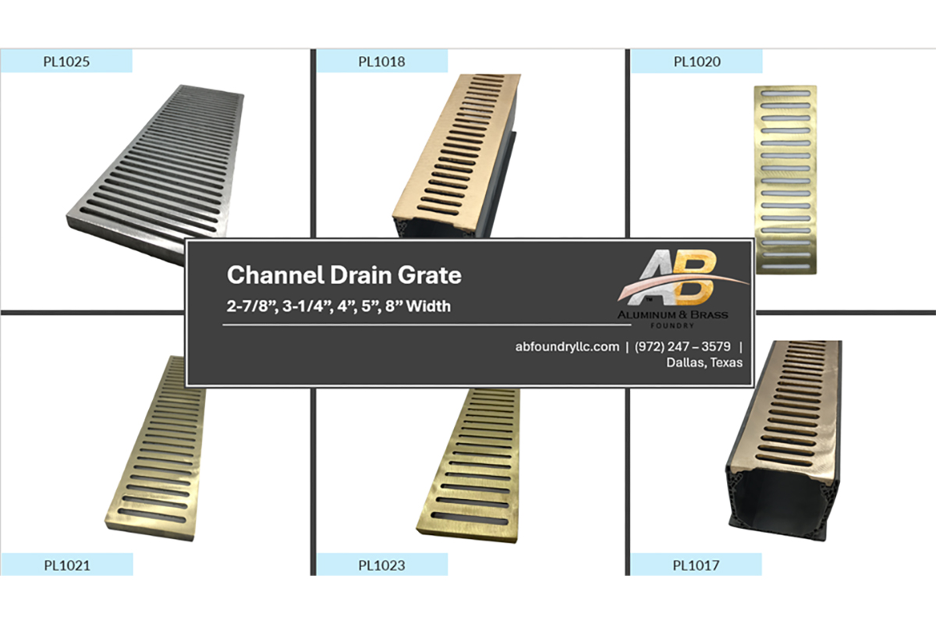
Drains are the transport system to move unwanted water or waste liquids away from an area, so they don’t cause damage or flooding. They are built-in components to manage water flow and eliminate standing water, which can otherwise attract insects and accelerate the deterioration of nearby materials. In simplest terms, the drain is a hard‑working guardian that keeps surfaces dry, safe, and protected. Can the drain component that leads to a bigger drainage system have aesthetic appeal when cast in solid brass or aluminum? Simply put, yes.
With different designs and shapes, the resulting brass or aluminum drain grate follows the same manufacturing process. Let’s walk through the metal casting process of the material, sand casting, machining, finishing, and quality control that delivers brass drains engineered for strength and style.
Why Brass and Aluminum Work Well
Brass drains are engineered for strength and mechanical performance. The brass alloy is corrosion-resistant, especially against water. It is an alloy that delivers dependability through long-term durability with its golden warmth. Brass complement stone, tile, concrete, and metalwork, and allow the drain to become a design element, not just a utility.
Aluminum drain grates rely on material strength. Aluminum delivers strength without weight and has natural corrosion resistance due to its oxide layer. For aesthetics, aluminum provides a sleek, contemporary, ultra‑thin profile that blends into tile or concrete.
Both brass and aluminum in sand casting and machining achieve style through finishing, pattern design, and material character. Brass and aluminum are one of the rare building components where durability and beauty genuinely reinforce each other. Because brass and aluminum are machinable, designers have enormous freedom with shape and dimensions.
Sand Casting
Casting shapes start with the liquid form of brass or aluminum metal, used to pour into molds that create cast drain grates. A mold provides an empty space shaped exactly like the drain grate you want to create in sand. The mold creates the drain’s form and dimensions and is the most critical element in casting.
Machining
After the drain grate is formed, machining is the stage where its geometry is perfected. Both brass and aluminum are known for excellent machinability, but brass machines better overall — cleaner, more stable, and with less tool wear — while aluminum machines are very fast and efficient. When deburring, brass breaks cleanly while aluminum can break in chips (depending on the alloy). When needed, threading is added to the cast to fasten cleanly into the larger plumbing systems. At the machining stage and after deburring, a well-engineered sand cast in brass and aluminum performs with strength and precision.
Finishing
With the brass and aluminum cast solidified in strength, the drain grates manufacturing shift to its appearance. A worker who requires a different skill set, usually more trained in detail, removes material from the metal drain grate. Finishing is where the metal drain grate is cleaned, smooth, and refined to give it its style. Gates and risers created during casting are removed by an industrial-grade saw. The metal drain grates' improved appearance and style is achieved by these common methods:
- Grinding
- Tumbling
- Polishing
- Sanding
Finishing transforms a brass or aluminum drain grate casting into an engineered product for strength and style.
Quality Control (QC)
QC in metal casting is the process of checking the customer-ordered part with the part received from Finishing. During QC, the shape, size, and surface finish are confirmed. Any cracks, surface roughness, and porosity do not pass. If the metal drain grate is part of a set, during QC, the metal drain grate is inspected to ensure it will fit properly. QC is really a staged process starting at the metal melting temperature, to pouring conditions based on humidity on a given day. At every stage of manufacturing, identifying deviations that could compromise the reliability of the drain grate is a primary focus for each worker.
With a clear picture of how brass and aluminum are cast, you can see why the method is often called age‑old. Long before modern industry, early civilizations learned that heat could turn raw metal into strong, functional tools and objects
Functional Strength Meets Style
Brass and aluminum drain grates often feature decorative patterns in the important job of moving rainwater. Below are some of the types of metal drain grates cast in different shapes and dimensions based on what they handle, and where they’re installed:
Heavy-Load Drains
Heavy‑load drain grates use reinforcement ribs beneath their surface to increase strength and load‑bearing capacity. Placement:
- High‑end landscapes
- Driveways
- Garage entrances
- Courtyards or motor courts
Heavy load drains support high traffic areas by redirecting rainwater to a larger drain system.
Channel Drains
Produces long, straight profiles with consistent geometry. Channel drains redirect water away from the foundation of a home, building, or other constructed structure, preventing soil erosion and structural damage.
Drains used in:
- Driveways
- Entryway before the door
- Landscaping and hardscapes
- Patios and pool decks
Channel drains contain the channel drain lid and frame, or lid only for concrete, or an NDS channel.
Non-Traffic Drains
Especially common in upscale residential, commercial, and infrastructure settings. Depending on the application, the drain grate lid only is purchased to be set in concrete.
Why they’re used here:
- Durability
- Meet the slot opening requirement of ¼” to ½”
- Safety (slip resistance, debris control)
Unlike a heavy‑load drain, non-traffic drains are designed for areas without vehicle or equipment traffic.
Round Drop-In
Upscale drop-in drain that drops into an existing pipe or basin without complex installation. Common in Landscaping.
Typical placements:
- Lawn drainage points
- Garden beds
- Pool decks
- Driveway runoff points
In residential and light‑commercial settings, they’re the go‑to solution for small, contained drainage points.
Overflow Drains
Overflow drains are used anywhere where excess water needs to be captured, controlled, and redirected. Common placements:
- Residential pools
- Commercial pools
- Infinity pools
Overflow drains solve unique drainage challenges in specialized settings.
Square and Round Deck Drains
Part of the broader infrastructure, either shape solves unique drainage challenges that are part of the design and visible to the customer.
Drains used in:
- Residential
- Commercial
- Industrial
- Government
These applications line up well with existing and new systems and are available in complete sets to add aesthetic value.
In Short
Drains may be small components, but they’re engineered with remarkable precision. Pairing this understanding of brass vs. aluminum engineering insights gives a complete picture: not just how drains are made, but how to choose the right one for performance, longevity, and style.
If choosing the metal for the drain grate comes down to style, consider this contrast. Brass drain grates are known as luxury builds, historic architecture, heavy-duty use, and premium fixtures. Aluminum drain grates are in modern interiors, lightweight installations, cand ost-sensitive projects. Both materials are engineered for strength and style.
For design-build professionals who value craftsmanship and long-term performance, cast metal drain grates remain one of the smartest investments. If you’re planning an outdoor project or need expert guidance on aluminum or brass casting, contact us. We are in Dallas, Texas, which allows us to ship to customers throughout the US daily.


