
Brass & Aluminum Drain Grates: Finishes, Patinas, and the Art of Aging
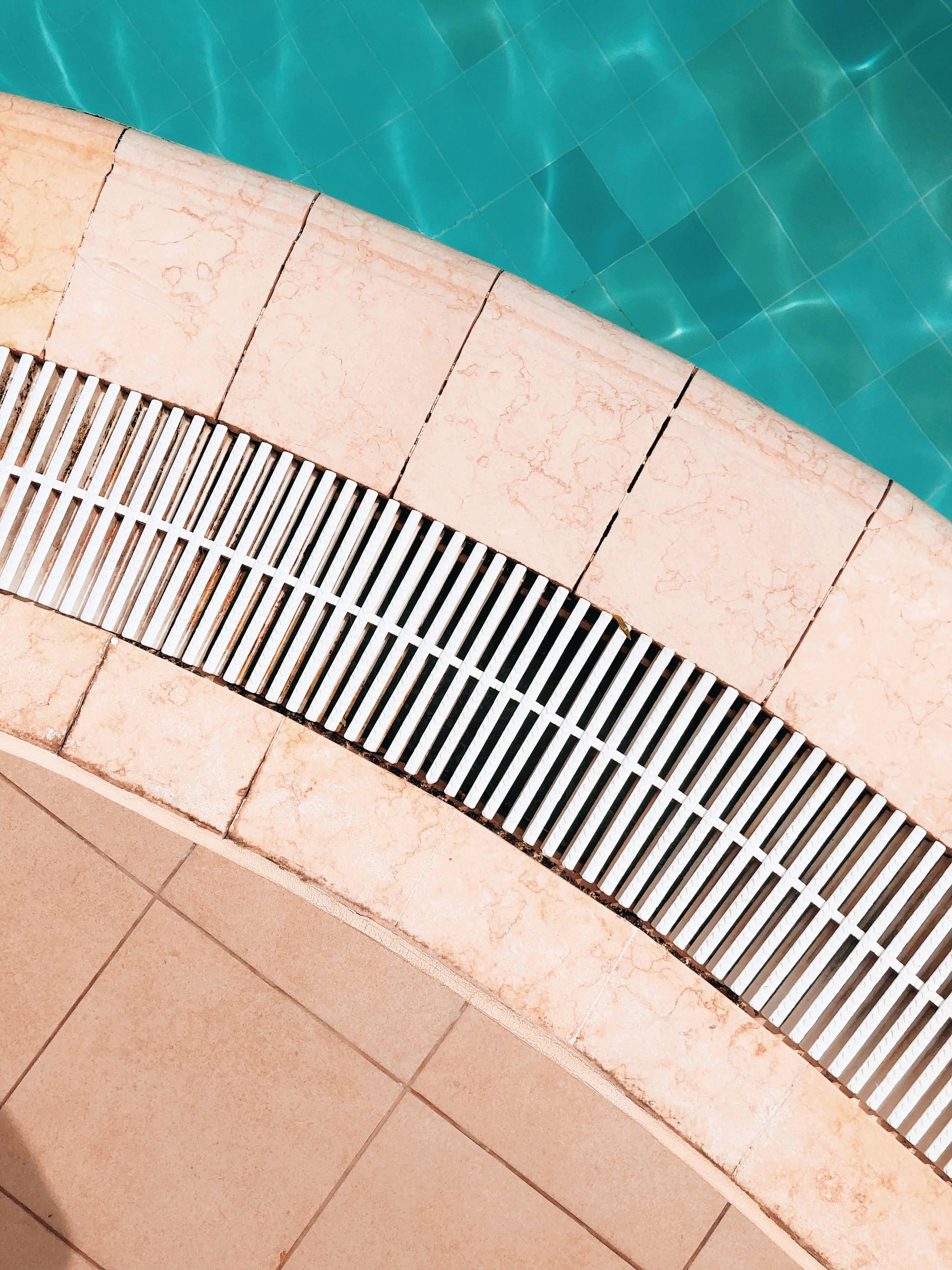
Cast metal drain grates gain its strength from being poured as a solid, three‑dimensional form. When you choose drain grates for a project, you are not just picking a functional piece. You are also shaping the look, durability, and long-term value of the space. Brass and aluminum drain grates offer a strong mix of performance, strength, and visual appeal. They age differently, respond to the environment in unique ways, and can be customized through finishes and patinas.
This guide explains how these metals behave, how they are made, and how you can choose the right option for your next job.
Why Are Brass and Aluminum Popular Choices?
Contractors and designers often choose brass and aluminum for good reasons. Both metals balance strength, corrosion resistance, and style.
Brass drain grates
- Strong and long-lasting
- Naturally resistant to corrosion
- Develop a rich patina over time
- Ideal for decorative or high-end applications
Aluminum drain grates
- Lightweight and easy to install
- Resistant to rust
- Cost-effective for large projects
- Suitable for both residential and commercial use
If you want a premium, aged look, brass is a great option. If you need affordability and easy handling, aluminum works well.
Understanding the Metal Casting Process
Before you install drain grate covers, it helps to understand how they are made. The casting process affects strength, detail, and overall quality. We outline this in detail in another guide on how brass drains are engineered for strength and style. Here’s a glimpse into some of the oldest manufacturing steps:
- Pattern Creation: A pattern of the grate design is created using wood, plastic, or metal. This pattern shapes the final product.
- Mold Preparation: Workers pack sand or another material around the pattern to form a mold.
- Melting the Metal: Brass or aluminum gets heated in a furnace until it becomes liquid.
- Brass melts at around 1,700°F
- Aluminum melts at around 1,220°F
- Pouring: The molten metal gets poured into the mold.
- Cooling and Solidifying: The metal cools and hardens into the shape of the mold.
- Finishing: Workers remove excess material, smooth edges, and apply finishes or coatings.
When you pour molten metal into a mold (casting), you’re essentially choosing between building strength through mass and geometry. Casting creates a very different internal structure, and that’s where the strength differences come from.
Finishes That Enhance Performance and Style
The finish you choose affects both appearance and longevity. Different finishes suit different environments.
Common Brass Finishes
- Polished brass: Bright and reflective, ideal for indoor or decorative use
- Satin brass: Soft sheen hides fingerprints and wear
- Patina look: Dark and classic, often used in both modern and traditional designs
Common Aluminum Finishes
- Mill finish: Raw aluminum, cost-effective and functional
- Powder-coated: Adds color and extra protection against weather
- Polished aluminum: Bright and reflective, ideal for indoor or decorative use
At A&B Foundry, we help you choose the right finish based on your project needs. Whether you need a specific look or added durability, our team can guide you through the options and deliver custom drain grates that perform well and match your design.
Patinas and the Natural Aging Process
One of the most appealing features of brass is how it ages. This process is called patina.
Let’s define what patina is first. Patina is a thin layer that forms on the surface of metal as it reacts with air, moisture, and other environmental elements. Over time, this natural reaction changes the color and texture of the metal, giving it a richer and more aged appearance.
How Brass Ages
- Starts as bright gold
- Turns darker with exposure
- Develops brown, green, or antique tones
This natural aging adds character. Many designers prefer this evolving look.
How Aluminum Ages
Aluminum does not develop a colorful patina like brass. Instead, it forms a thin oxide layer that protects it from corrosion.
- Keeps a consistent appearance
- Requires less maintenance
- Ideal for modern or industrial designs
The Art of Controlled Aging
In some cases, you may not want to wait years for brass to develop its natural look. Controlled aging techniques allow you to achieve a desired finish more quickly.
Manufacturers can use chemical treatments or controlled conditions to darken the surface and create an aged effect. This approach gives you more control over the final appearance and helps match existing architectural elements.
For contractors, this means you can deliver a finished product that meets design expectations right away. It also helps maintain consistency across multiple drain grate covers in the same project.
How to Choose the Right Drain Grate Finish for Your Project
Selecting the right material and finish depends on several factors. Consider these points:
- Location
- Indoor spaces allow for more decorative finishes
- Outdoor areas need weather-resistant coatings
- Load Requirements
- Driveways require stronger, thicker grates
- Walkways can use lighter designs
- Maintenance
- Brass may require occasional cleaning to manage patina
- Aluminum needs less upkeep
- Budget
- Aluminum is more price friendly metal
- Brass is an alloy built from NYSE‑traded commodities that carry the high-end inherent value and stability of globally regulated metals
Installation Tips for Better Results
All design-build professionals have their own tricks of the trade. Here are a few shared practical tips:
- Ensure proper slope for water flow
- Use compatible materials to avoid corrosion
- Secure grates firmly to prevent movement
- Check local codes for load ratings
A well-installed drain grate is a critical part of the entire project’s drainage system. What’s under the ground or surface material is not seen, like the drain grates. For a clearer understanding of the ordering process, you can also check the video about installation process on our YouTube channel, created by our team, and subscribe to stay updated with new content and practical guidance.
About A&B Foundry
A&B Foundry specializes in high-quality brass and aluminum castings for construction and design projects across the United States. We focus on precision, durability, and custom solutions. Our team works closely with contractors, architects, and designers to deliver drain grate covers and other metal products that meet both functional and aesthetic goals. Since 1965, we’ve helped design-build professionals bring projects to life with reliable craftsmanship. Contact us at (972) 247-3579 to request a quote. We ship throughout North America, typically via UPS or freight. We can ship overnight, provided we have the product in stock and it is ordered before 12:00 pm CT.
FAQ
What is the best material for drain grates?
It depends on your needs. Brass works best for decorative and long-term projects. Aluminum is ideal for price effective and lightweight applications.
Do brass drain grates change in color?
High-end customers know to expect the look and appeal of solid brass. The patina signifies the quality of the metal is not painted to look like brass.
Are aluminum drain grates strong enough for driveways?
Yes, if you choose the correct thickness and heavy load products. Always check product descriptions before ordering
Can I customize the length of total drain grates for a project?
Yes. Casting allows for custom total final length. This is one of the biggest advantages of working with experienced foundries.